
How a Psychologist Can Help Your Autistic Child
Learn how psychologists can support autistic children and children with developmental delay, anxiety, emotional regulation and school transitions.
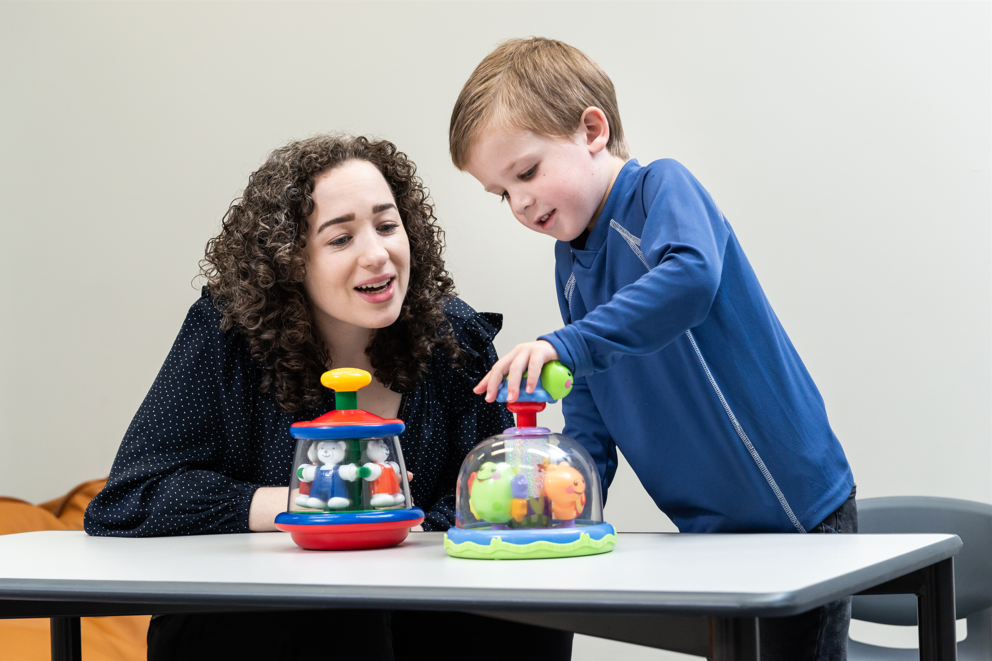
Every child experiences the world differently, with their own strengths, interests and ways of learning, communicating and expressing emotions.
For autistic children and their families, navigating everyday experiences can require additional understanding, strategies and support. From navigating big emotions and anxiety to adjusting to school routines and developing relationships, children and their families may benefit from additional support.
What does a child psychologist actually do?
Registered and clinical psychologists work alongside children and families to better understand their individual needs, build on their strengths and develop practical strategies that support emotional wellbeing, development and participation in everyday life.
How can a child psychologist help your family?
Psychology support is about more than addressing emotional or behavioural difficulties. It involves understanding the whole child, including their development, experiences, relationships and the environments in which they learn and grow.
CliniKids psychologists can support children and families across a range of areas, including:
- Anxiety and worries: Supporting children who experience separation anxiety, fears or difficulties navigating unfamiliar situations.
- Emotional regulation: Helping children and families better understand and respond to big emotions.
- Behaviours that families find challenging: Exploring what may be contributing to a child's behaviour and identifying supportive strategies.
- Emotional wellbeing: Supporting children experiencing low mood or other emotional difficulties.
- Sleep and toileting: Helping families navigate difficulties that may affect everyday routines.
- School transitions: Supporting children into formal classroom learning, adjust to classroom expectations, transition between school years, and develop friendships with peers.
- Learning and development: Understanding children's individual learning styles, identify strengths and highlight where additional support in learning might be helpful.
- Understanding autism and developmental differences: Helping caregivers (parents, grandparents, others adults involved in the child’s care) better understand the autistic child's experiences and support needs.
Rather than taking a one-size-fits-all approach, psychologists work collaboratively with families to identify meaningful goals and develop strategies that can be incorporated into everyday life. They also provide caregivers with the "why" behind the "what" through understanding of mental health, neurobiology, behavioural patterns, so they can generalise or adapt strategies as needed.
Supporting autistic children with anxiety
Anxiety can affect children in many different ways. Some children may find it difficult to separate from their parents, feel overwhelmed by unfamiliar environments or experience distress when routines change.
For autistic children, anxiety may be influenced by a range of factors, including uncertainty, sensory overwhelm, communication delays, autistic differences, burn out from social interactions and the demands of everyday situations. Understanding what contributes to a child's anxiety is an important first step towards providing meaningful support.
Sessions may include helping parents and caregivers recognise signs of anxiety, understand what their child may be experiencing and develop practical ways to support them in situations they find challenging. A psychologist will also take the time to understand your child's individual strengths, experiences and needs, working with your family to identify strategies, and support your emotional wellbeing.
Helping kids manage big emotions and challenging behaviours
All children experience big emotions, but some may find it more difficult to recognise, communicate or regulate how they are feeling.
Difficulties with emotional regulation can sometimes be expressed through behaviours that families find challenging. However, behaviour is often an important form of communication. A child who becomes upset, withdraws or has difficulty participating in an activity may be responding to something in their environment or expressing an unmet need.
Rather than focusing solely on changing the behaviour, psychologists work with children and families to explore what may be contributing to these responses. By looking beyond the behaviour, a psychologist can help your family better understand your child's experiences and identify strategies that support emotional regulation, strengthen family relationships and promote overall wellbeing.
These strategies are tailored to each child and family, recognising that every child's emotional and developmental needs are different.
Supporting children through school transitions
Starting school can be an exciting milestone, but it can also bring new expectations, routines and social experiences. For some kids with autism and developmental delay, adjusting to these changes may require additional support.
Children may experience separation anxiety at school drop-off, difficulties engaging in classroom learning or challenges navigating friendships and social interactions.
Sessions with a psychologist can support your child as they transition into and progress through school, helping your family and educators better understand your child's learning style and individual needs. Where appropriate, your psychologist may work collaboratively with you, your child’s teachers and education assistants to:
- Identify helpful classroom strategies and supports.
- Recognise early signs of emotional escalation.
- Support positive relationships and social interactions.
- Explore ways to scaffold learning and classroom participation.
- Contribute to Individual Education Plan (IEP) discussions.
For older children experiencing difficulties with classroom learning, cognitive assessments may also help identify their cognitive strengths and areas where additional support may be beneficial.
These insights can help families and schools better understand a child's learning profile and inform educational planning.
Why supporting parents and caregivers matters too
When a child experiences emotional, behavioural or developmental challenges, the impact can extend to the whole family. That's why psychology support isn't always focused solely on working directly with the child.
As a parents or caregiver, you play an important role in understanding and supporting your child's development. Psychology sessions may involve working with the child, parents or caregivers, or a combination of both.
Psychologists can also provide parents and caregivers with opportunities to focus on their own wellbeing. This may include exploring parenting stressors, processing experiences, identifying strategies to manage stress and prevent burnout, and developing tools for self-regulation and self-care.
Supporting parent and caregiver wellbeing can help your family build confidence and develop practical approaches that work within your everyday lives.
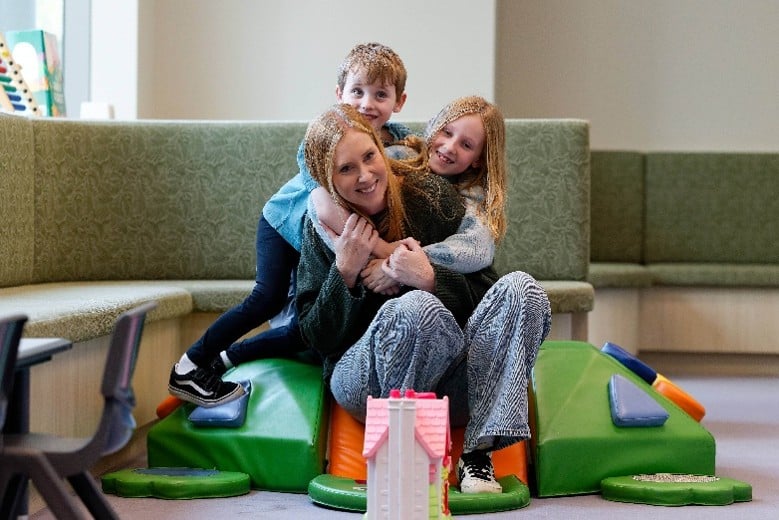
At CliniKids, psychologists recognise that every family is different. Support is guided by each family's individual circumstances, values and cultural preferences, while respecting the important relationships within the family.

Working together to support the whole child
A child's emotional wellbeing, communication, learning and participation in everyday activities are often interconnected. For this reason, psychology support can sometimes be most beneficial when different professionals work together towards shared goals.
At CliniKids, our psychologists can collaborate with speech pathologists and occupational therapists to provide multidisciplinary support for children and families, where appropriate. For example, a child experiencing difficulties participating in classroom activities may benefit from support that considers their emotional regulation, communication and individual learning needs.
By working together, clinicians can develop a more comprehensive understanding of the child's strengths and challenges and identify practical strategies that support their participation and wellbeing.
Psychologists may also collaborate with teachers, education assistants and other professionals involved in a child's life.
While psychology sessions generally take place within our clinics, psychologists may conduct observations in everyday environments, such as schools, daycare or community settings, where relevant to a child's individual goals. These observations can provide valuable insights into a child's experiences and help inform strategies that families and educators can use in everyday situations.
Want to learn more about how psychology support at CliniKids could help your child?
Explore our psychology services or contact the CliniKids Client Support team to discuss your child's needs and the next steps.
First published Monday 26 October 2026.
View all news articles