
Following your child's lead during play
Learn how occupational therapists can support autistic children and children with developmental delay, or challenges with anxiety, emotional regulation or school transitions.
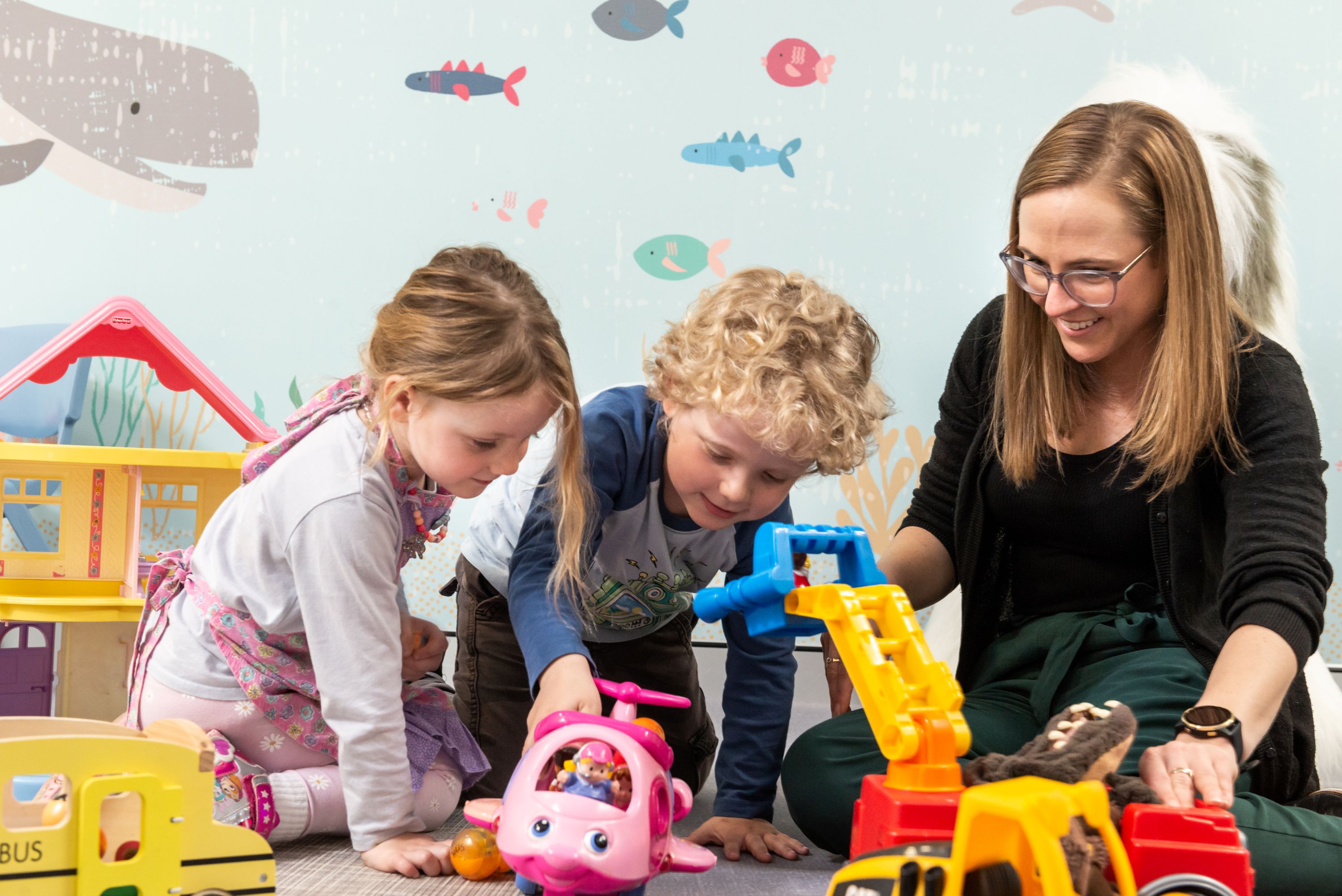
When it comes to play, sometimes the most powerful thing we can do as adults is take a step back and let children lead the way.
Play is an important part of childhood. It's an opportunity for children to explore their interests, connect with others, express themselves and experience joy.
But what does meaningful play look like? And how can parents and caregivers support their child's play development while allowing them to be their authentic selves?
We asked Marie Rodatz, Occupational Therapy Clinical Lead at CliniKids, to share some practical strategies to help parents and caregivers support their child's play development in a meaningful, neuro-affirming way.
There's no 'right' way to play
When we think about play, we might picture children building towers, racing cars, completing puzzles or playing make-believe. But play doesn't have to look a certain way to be meaningful.
Play is defined by the child, not the adult. For autistic and other neurodivergent children, play may involve strong interests, repetitive movements, arranging objects or exploring toys in ways that might be different from what adults expect.
A child might enjoy lining up their toy trains rather than driving them along a track. Another might prefer spinning the wheels of a toy car rather than pushing it across the floor. These are all valid forms of play.
Rather than trying to change how a child plays, we can approach their interests with curiosity, recognising that their unique ways of playing can offer opportunities for connection, communication and shared enjoyment.
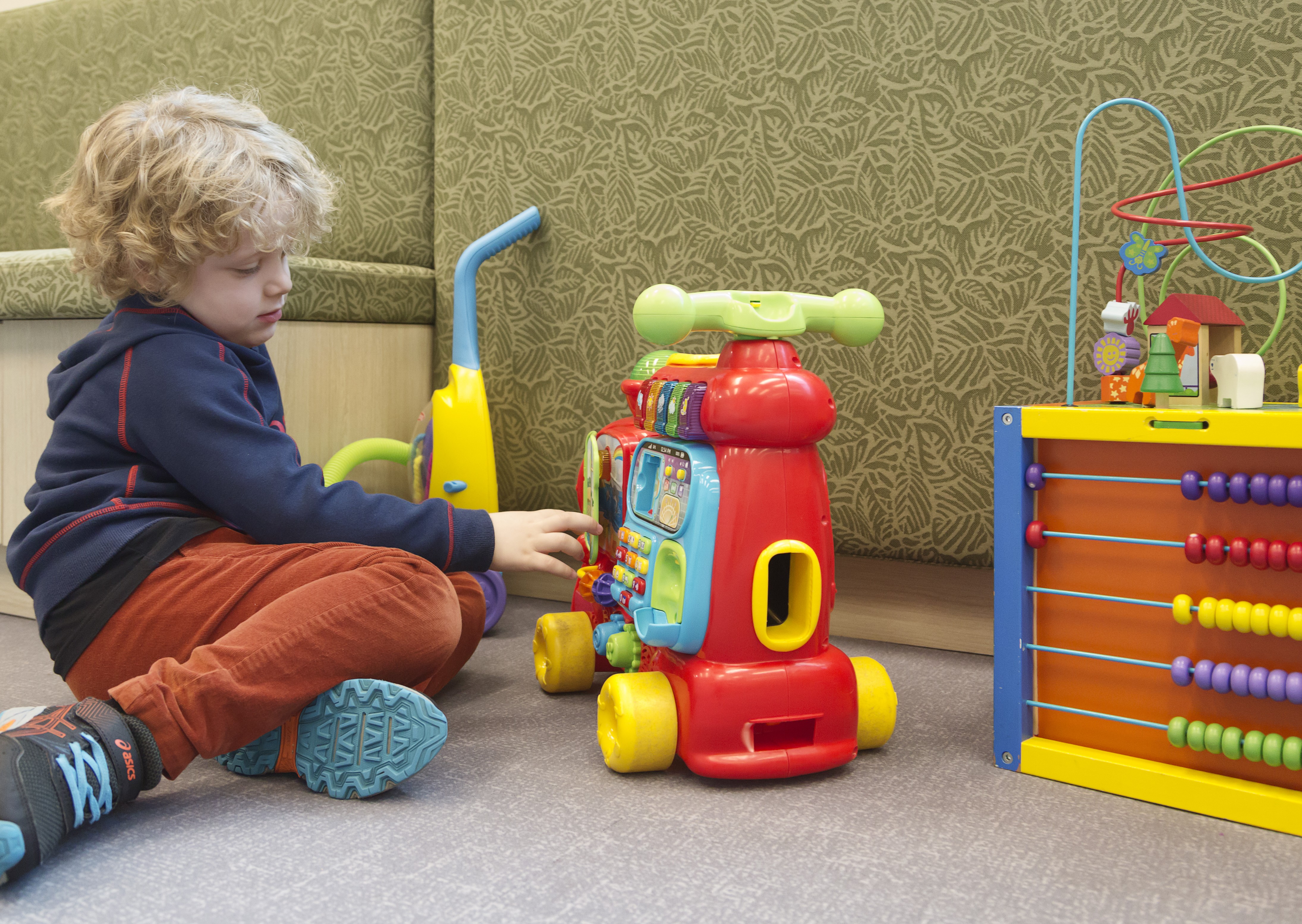
Follow their interests, not your expectations
Imagine your child loves trains. You might be tempted to build an elaborate railway track, introduce a station or encourage them to create a story about where the train is travelling.
But what if your child simply wants to move their trains back and forth or connect and disconnect the carriages? Instead of introducing a new activity, try joining them in what they're already doing. By following your child's lead, you're showing them that their ideas and interests are valued.
This approach can help create opportunities for shared attention, turn-taking and connection, without placing expectations on how play should unfold.
And remember, you don't always need to introduce something new. Some
times, simply being present and enjoying the moment together is enough.
Two simple strategies can make a meaningful difference: imitation and modelling without demand.
1. Imitation: Join their world
Imitation is about following your child's lead and copying what they're doing, rather than directing their play.
For example:
- If your child pushes a toy car, try pushing another car alongside them.
- If they're stacking blocks, build your own stack nearby.
- If they're playing shopkeeper, join in as the customer.
- If they head straight for the sandpit at the playground, join them there rather than encouraging them towards the swings.
Imitating your child's actions communicates a simple but powerful message: I'm interested in what you're doing, and I want to be part of it.
2. Modelling without demand: Offer ideas, not instructions
Sometimes, your child might seem unsure about what to do next.
This can be an opportunity to gently introduce a new play idea through modelling.
For example, if your child is playing with blocks and seems stuck, you might demonstrate building a small tower nearby.
The important part? There's no expectation for your child to copy you.
They might try your idea, adapt it or continue playing in their own way. All of these responses are okay. Think of modelling as offering an invitation rather than giving an instruction.
Too much modelling can unintentionally shift play towards an adult-directed activity, so aim to spend more time imitating your child's ideas and only introduce something new when it feels helpful.
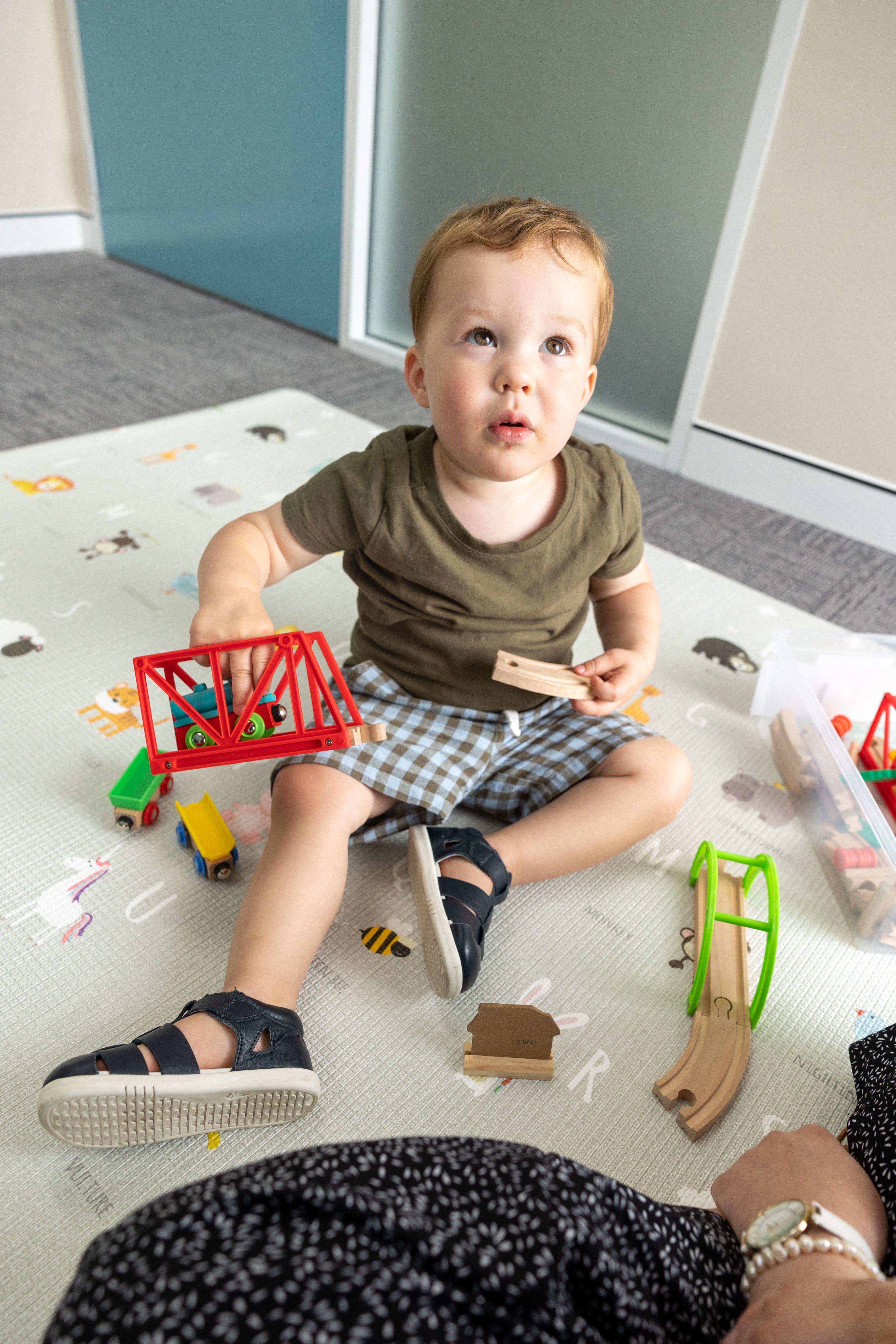
Connection over correction
Play is about more than toys and activities. It can be an opportunity to build relationships, share experiences and understand how children engage with the world around them.
For some neurodivergent children, repetitive play, such as scripting, spinning objects or repeating familiar actions, may hold important meaning.
Rather than viewing these behaviours as something that needs to be corrected, we can approach them with curiosity and respect.
What is your child enjoying? What are they communicating through their play? Is there a way you can join them without interrupting their experience?
By shifting our focus from teaching children how to play towards understanding how they enjoy playing, we can create opportunities for authentic connection.
Let your child take the lead: Small moments, meaningful connections
Occupational therapists support children and families to participate in meaningful everyday activities, including play.
And sometimes, supporting participation isn't about introducing a new activity or teaching a new skill. It's about adapting our own approach, recognising children's individual strengths and creating an environment where they feel comfortable exploring their interests.
So, the next time you sit down to play with your child, try something different. Let them choose the activity. Watch what captures their attention. Join in on their terms.
You might be surprised by the opportunities for connection that unfold when you let them lead. Because when it comes to play, connection matters more than getting it 'right'.
Learn more about Occupational Therapy at CliniKids
Our Occupational Therapy team works alongside children and families to support participation, independence and engagement in meaningful everyday activities.
Explore our Occupational Therapy services or contact the CliniKids Client Support team to discuss your child's needs and the next steps.
First published Friday 30 October 2026.
View all news articles