
Educator Course: Supporting Neurodivergent Children
Practitioners Supporting Educators is a series of self-paced online courses designed to support educators working with neurodivergent children aged 3–8.
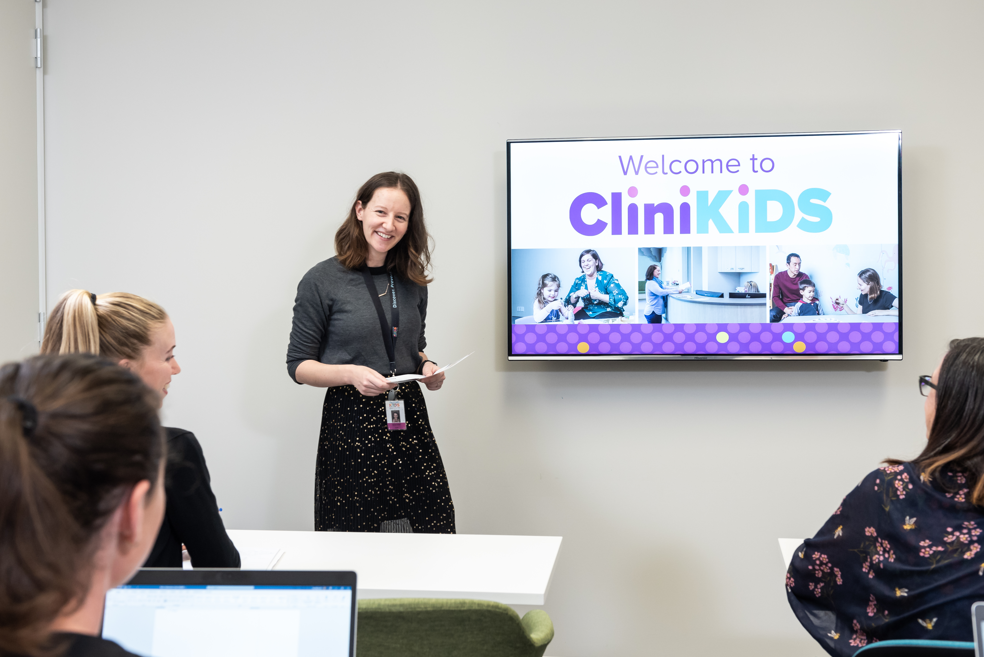
CliniKids has launched Practicioners Supporting Educators, our self-paced online courses created to equip educators with practical knowledge and strategies for supporting neurodivergent children aged 3–8.
Developed in collaboration with CliniKids Psychologists, Speech Pathologists and Occupational Therapists, alongside leading researchers, the courses bring together current research, best-practice approaches and practical strategies that educators can apply in everyday learning environments.
The courses are suitable for teachers, early childhood educators, education assistants and others working within school and early learning settings.
Supporting neurodivergent children in the classroom
The Practitioners Supporting Educators series has been developed to help educators build their knowledge and confidence in supporting neurodivergent children across key areas including:
- communication
- regulation
- relationships and feelings
Each course combines current evidence with practical strategies and opportunities for reflection, helping educators consider how they can apply neurodiversity-affirming approaches within their own practice.
Research references are also included throughout the courses for educators who would like to explore the evidence and research in greater depth.
Course 1: Neurodiverse Brains
Neurodiverse Brains provides an introduction to neurodiversity and neurodiversity-affirming practice, establishing key concepts and ideas before exploring topics such as communication, regulation, relationships and feelings in greater depth.
The course includes two modules:
Let’s talk about neurodiversity
Explore key terms relating to neurodiversity and neurodiversity-affirming practice, with opportunities to reflect on what neurodiversity-affirming practice means within your own setting.
Autism and ADHD
Apply a neurodiversity perspective to understanding the strengths and needs of autistic students and students with ADHD.
This introductory course encourages educators to reflect on their current classroom practice and consider ways to strengthen their relationships with neurodivergent students. It provides a foundation of key terms, ideas and reflections before exploring topics such as communication, regulation, relationships and feelings in greater depth across the course series.
- Time commitment: Approximately 30 minutes. This course is self-paced.
- Location: Online
*We are currently offering the opportunity to do this course for FREE in exchange for your feedback. More info below.
Course 2: Supporting Communication
Children communicate in many different ways. Supporting Communication explores how and why children communicate differently, including autistic children and children with ADHD.
Educators will learn practical strategies to support communication and participation in the classroom and consider how these approaches can be adapted to each child's individual needs and preferences.
- Time Commitment: Approximately 1 hour. This course is self-paced.
- Location: Online
*We are currently offering the opportunity to do this course for FREE in exchange for your feedback. More info below.
Access our new educator course for free
Are you an educator supporting neurodivergent children aged 3–8? We want your feedback!
Ahead of the official launch of Practitioners Supporting Educators, we’re inviting educators to take our Neurodiverse Brains and Supporting Communication courses free of charge.
You will receive free access to Neurodiverse Brains and Supporting Communication in exchange for sharing your feedback via a short multiple-choice survey before and after the course.
You'll finish the courses feeling more confident and equipped to support neurodivergent children in your classroom.
Interested in taking part?
Submit your expression of interest