
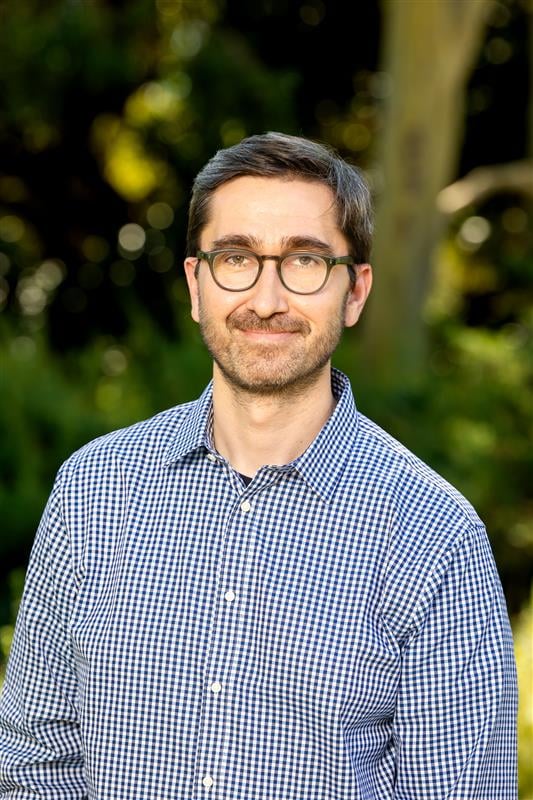
Mirko Uljarević
Senior Principal Research Fellow
Mirko is a medically trained research-focused academic with a background in developmental psychology, psychometrics, and big data science. His research takes a life-span perspective and is driven by the urgent need to improve outcomes for people on the autism spectrum and with other neurodevelopmental and neuropsychiatric conditions. His primary research interest has focused on combining cutting-edge psychometric procedures and a big data approach to better understand the structure of clinical phenotypes across autism and other neurodevelopmental and neuropsychiatric conditions and on using this knowledge to improve existing and develop new clinical assessments that are more effective for screening and diagnosis, tracking the natural and treatment-related symptom progression and for use in genetic and neurobiological studies. In addition to his focus on the development of outcome measures, Mirko is collaborating with leading researchers and groups in the United States, Europe, and Australia on numerous projects spanning a range of topics, including genetics, supports, and employment, with a particular focus on understanding risk and resilience factors underpinning poor mental health outcomes in adolescents and adults.
Through several nationally and internationally funded projects, he has led statistical analyses to uncover the latent structure of social and communication, as well as restricted and repetitive behaviours.
These findings have enabled his team to:
- capture and characterise a highly variable social functioning phenotype across a range of conditions and understand mechanisms underpinning this variability,
- combine phenotypic and genetic units of analyses to advance our understanding of the genetic architecture of restricted and repetitive behaviours, and
- focus on identification and characterization of subgroups of individuals that share distinct clinical, cognitive and developmental profiles and demonstrate clinical utility and neurobiological validity.
The described work has provided key information for developing a programmatic line of research aimed at developing novel, comprehensive assessment protocols. These combine parent and clinician reports, objective functioning indicators, and incorporate state-of-the-art psychometric, mobile, and connected technologies and procedures, for changing current paradigm in terms of how we assess and characterise strengths and support needs of children on the autism spectrum or other clinical conditions, and monitor the progress of the supports across time.
For this work, Mirko has been recognized and funded as a FHRI Distinguished Fellow under the Western Australian Future Health Research and Innovation Fund.